Defining the Function of an Arborist: Essential Services for Tree Vitality and Management
An tree specialist is crucial for preserving tree vitality and long life. Arborists use specialized expertise to examine trees and develop individualized care plans. This includes trimming, detecting diseases, and handling soil health. Arborists play a crucial role in fostering sustainable development. Their knowledge not only enhances the visual appeal of landscapes but also maintains ecological equilibrium. Knowing their essential functions can show the critical impact they have on city and country environments equally.
The Value of Arborists in Tree Management

Although many property owners may overlook the function of arborists, their expertise is vital for sustaining tree vitality and longevity. Arborists are skilled practitioners who are dedicated to the health and maintenance of trees. Arborists have in-depth understanding of tree life science, diseases, and environmental conditions affecting development. By examining tree health, arborists can determine potential problems, ranging from pest infestations to nutrient deficiencies.
Their services include a variety of important tasks, including soil care, tree assessments, and comprehensive maintenance plans. Tree care experts also play a important role in ensuring trees are planted in correct locations, considering factors such as sunlight, drainage, and space for development. Their advice allows homeowners to make informed decisions that foster sustainable tree growth. By investing in arborist care, homeowners not only boost the beauty of their landscapes but also support the ecological health of their surroundings, ensuring trees flourish for future generations.
Key Tree Pruning Practices
Proper tree pruning methods are crucial for preserving healthy and robust trees. Arborists utilize various techniques to strengthen tree structure, stimulate growth, and take away dead or diseased limbs. One basic technique is crown thinning, which includes carefully cutting back branches to boost light access and air circulation. Another important method is raising the crown, where the bottom limbs are trimmed to enhance passage and viewing areas. In addition, the practice of reducing the crown decreases the overall mass of a tree’s canopy, reducing strain while preserving its form.
Proper scheduling is key; pruning is typically best done during its resting phase in the late winter or early spring months. This minimizes sap loss and promotes robust development. Arborists suggest utilizing sanitized, keen equipment to ensure accurate cuts, which assists in avoiding damage to the tree. Ultimately, these vital techniques do more than just enhance beauty but also contribute greatly to the tree's total vitality and lifespan.
Planting and Transplanting Trees
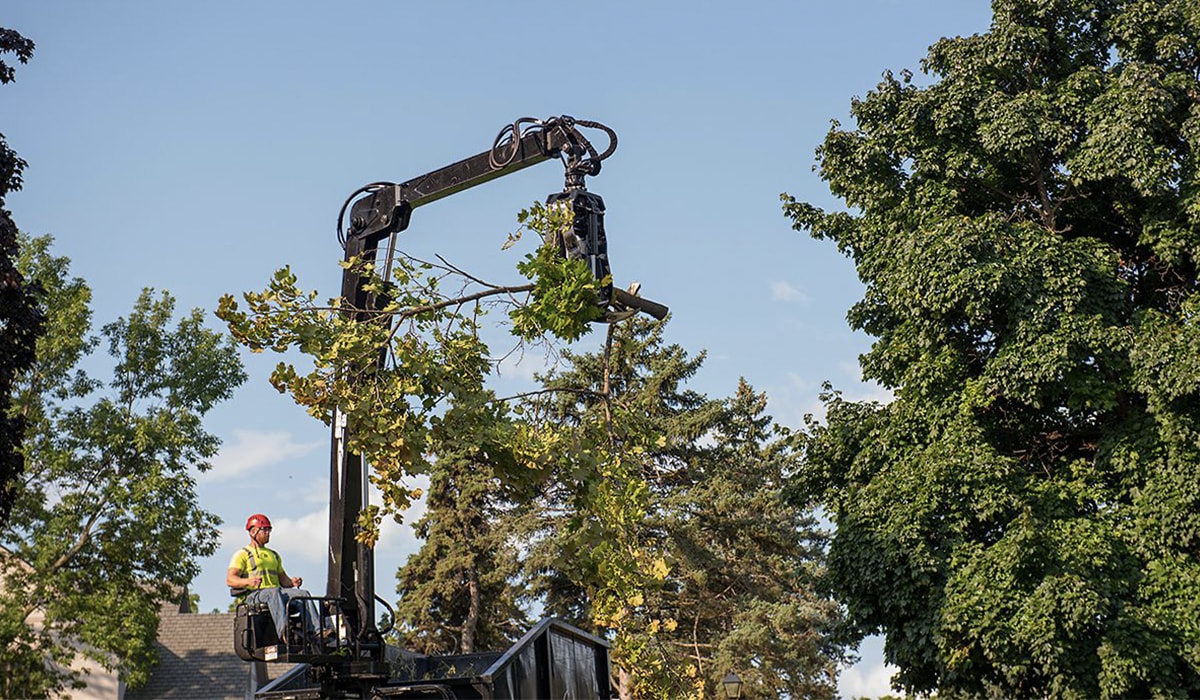
When planning the introduction of new trees, proper planting and transplanting techniques are essential for ensuring their thriving development and fitting into the surrounding area. Arborists emphasize the importance of selecting the right species for the specific setting, as well as preparing the planting hole correctly. The hole must be sufficiently broad to accommodate the root system, enabling adequate expansion and aeration
During the relocation process, precautions must be observed to limit damage to the root system, which can hinder a tree's ability to take hold in the new location. Arborists recommend transplanting during the winter rest period to reduce stress on the tree
(Florence Arborist)Once planted or transplanted, proper watering and mulching are crucial for aiding the tree's successful rooting. Arborists also advise monitoring the tree’s growth and adjusting care practices as needed to guarantee a healthy shift into the surrounding environment, ultimately contributing to a flourishing environment
Diagnosing Tree Diseases and Pests
How can one effectively identify the indicators of tree maladies and insects? Arborists employ a deep knowledge of tree biology and surrounding influences to determine the cause of these ailments. Symptoms such as leaves changing color, lack of vigor, or premature leaf drop often indicate underlying problems. Additionally, the occurrence of strange protuberances, such as galls or cankers, can signal infections or insect activity.
Arborists also examine the bark for lesions, holes, or frass, which might indicate bugs are at work. Assessing the soil and the immediate surroundings helps identify stress factors like inadequate drainage or lack of nutrients. Understanding seasonal cycles is crucial, since specific pests appear at particular times.
Tree Health Assessments and Management Schedules

What techniques can be utilized to maintain ideal tree health? Certified arborists usually commence by performing detailed tree health checks, involving a careful review of the tree's current status, covering its physical structure, leaves, and the root zone. The evaluation helps pinpoint potential concerns such as pathogens, harmful insects, or external stressors. After the evaluation, a customized care plan is created, tackling unique necessities
Standard parts of these strategies involve appropriate irrigation timetables, feeding strategies, and cutting methods to improve growth and resistance - Florence Arborist. Additionally, arborists may recommend mulching and soil management to improve nutrient availability and keep the soil damp. Routine checking is vital, allowing for adjustments to the management program if the environment evolves. By implementing these strategies, the health and longevity of trees can be significantly enhanced, allowing them to prosper in their habitat while contributing to the entire ecosystem
The Role of Arborists in Municipal Tree Care
Tree experts have a crucial function in municipal tree care by overseeing and preserving the condition of trees in urban settings. The skills they possess greatly enhance to the ecosystem's steadiness and beauty in city environments. Arborists are involved in planting, ensuring appropriate species selection based on local conditions and urban planning needs. They conduct regular health assessments to pinpoint illnesses, insects, and structural problems, carrying out focused interventions to enhance tree health.
Furthermore, tree specialists create and implement maintenance plans that include pruning, fertilization, and irrigation, improving tree growth and survival. They further instruct the public on why trees matter and appropriate care methods. By collaborating with city planners and environmental organizations, arborists contribute to sustainable urban development, fostering biological diversity and enhancing the quality of the air. Their efforts are vital in creating green spaces that serve both the community and the ecosystem, ultimately fostering healthier urban ecosystems.
Frequently Asked Questions
How Do I Search For a Professional Tree Expert in My Area?
If you want to find a qualified tree specialist nearby, it is advisable to check online databases, ask at local plant shops, or reach out to tree care associations. It is vital to verify certifications and look at testimonials to guarantee excellent results.
What Qualifications Should I Look for in an Arborist?
When looking for an arborist, one should look for certifications like ISA or ASCA, sufficient expertise, liability protection, and a solid reputation via further information testimonials. These credentials confirm professionalism and expertise in arboriculture and upkeep.
Is There a Best Time for Tree Pruning?
Tree pruning is most effective during late winter or the beginning of spring when trees are inactive. However, some species do well with summer pruning. Timing depends on the tree type and specific growth patterns to promote health and structure.
What is the Price Range for Arborist Work Typically Cost?
Tree care services generally range between $300 and $1,500, based on variables like tree size, location, and the difficulty of the job - Florence Arborist. The rates often differ greatly based on regional demand and service provider expertise
Can I Perform Tree Care Without Professional Help?
Certainly, people are able to handle basic tree care without professional help, such as watering and mulching. But, for more complex tasks, like pruning or diagnosing diseases, seeking advice from a professional arborist is best to ensure the tree's vitality.